

Space Geotechnics
MINERAL CLASSIFICATION
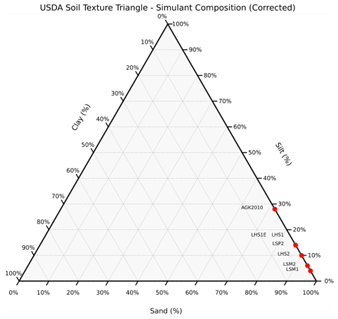
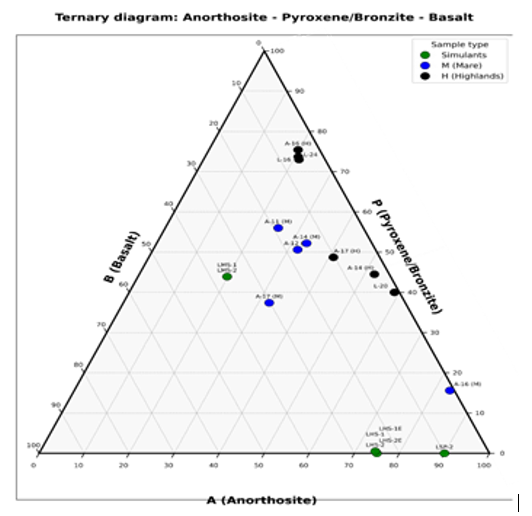
regolith classification for lunar applications requires a shift from classical Earth-based approaches toward mineralogical representation. While granulometry confirms the predominantly sandy, uniformly graded nature of simulants, it fails to capture their origin and functional properties. A modified “Feret triangle” replaces grain-size axes with three key mineral groups: anorthosite (highlands), pyroxene/olivine, and basalt (mare). This approach enables direct linkage to mechanical, chemical, and geological characteristics, improving relevance for ISRU and engineering applications.
LABORATORY TESTING
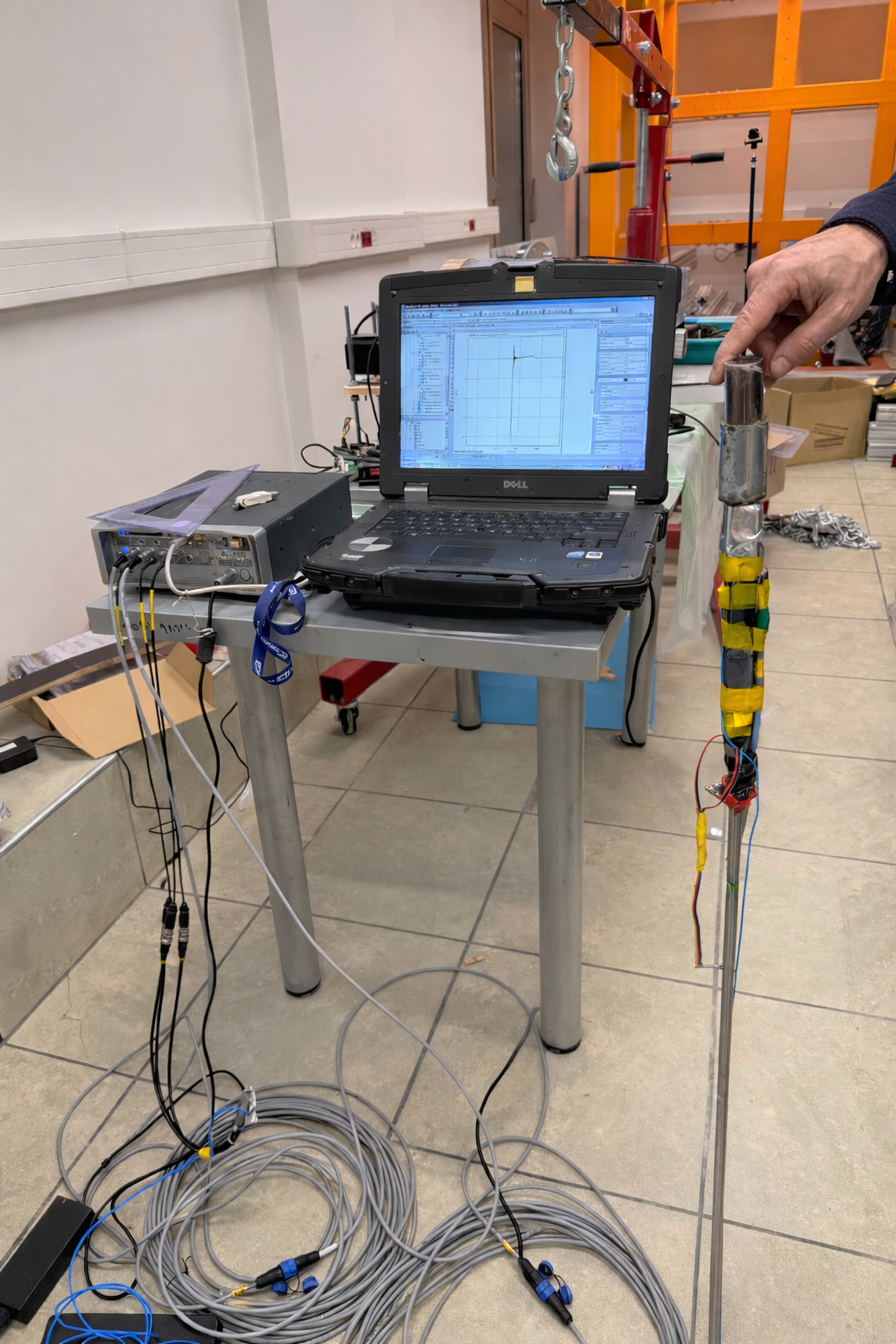
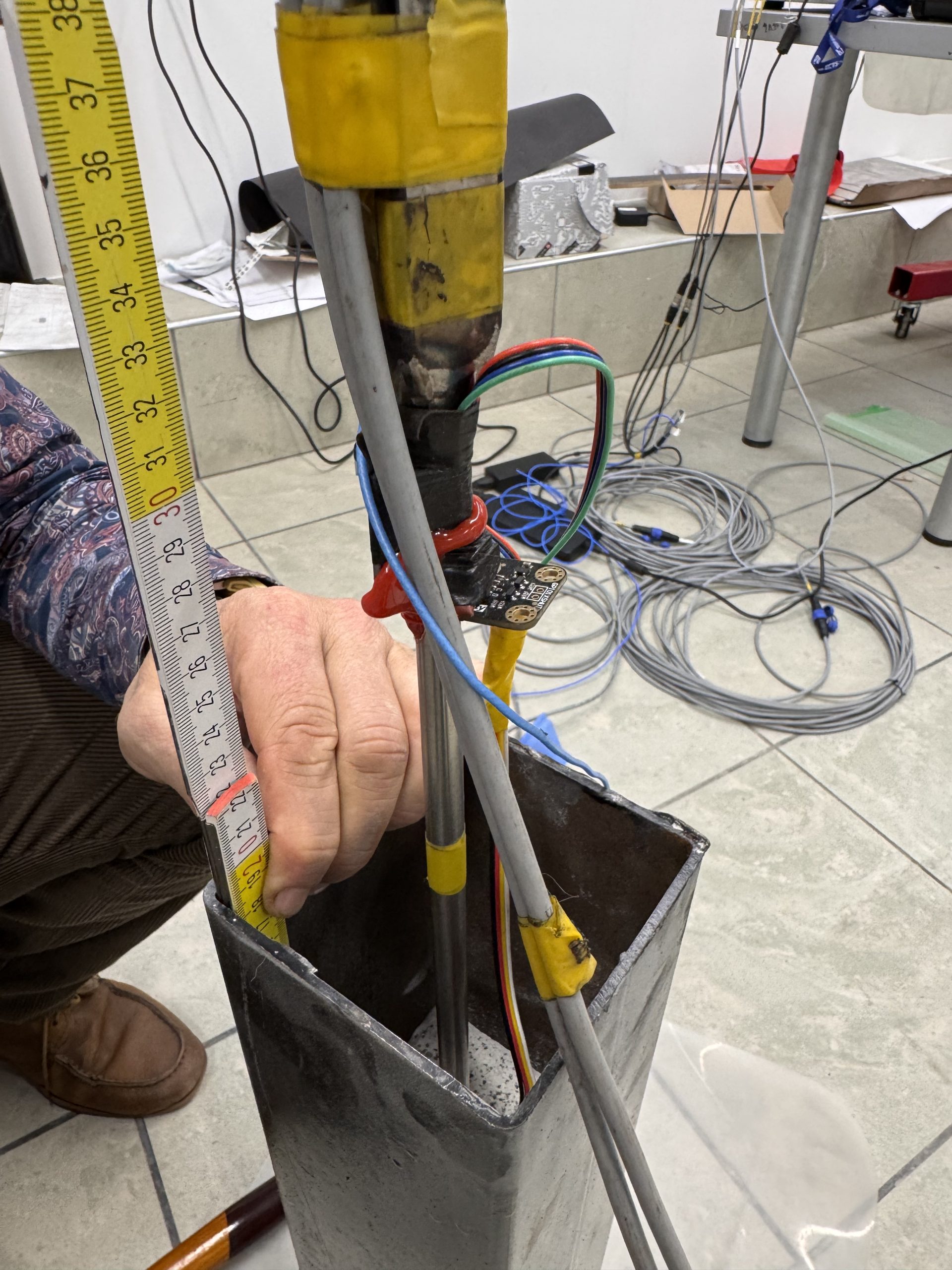
geotechnical testing of regolith is essential for safe and efficient development of space infrastructure. Properties such as bearing capacity, cohesion, friction, and compressibility directly affect rover mobility, excavation, landing stability, and construction processes. To obtain reliable and design-relevant parameters, these properties are determined through controlled laboratory testing and calibration of regolith simulants.
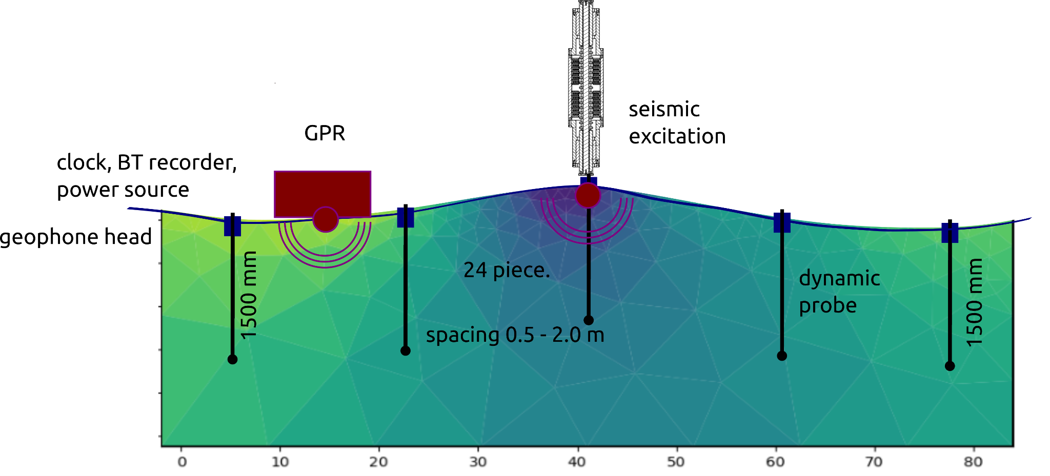
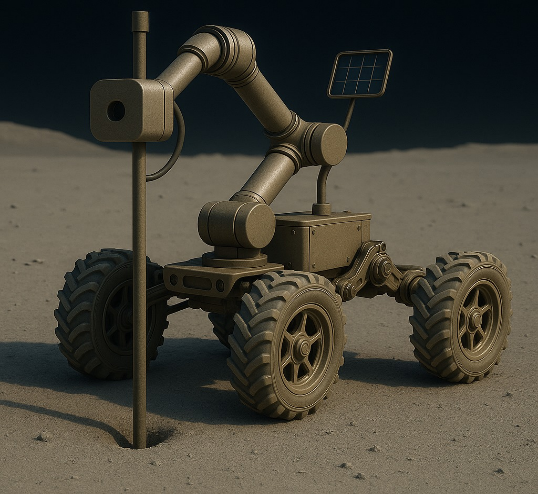
Currently in our laboratory we have the collection of following regolith simulants witch are under testing:
- LHS 1
- LHS 2
- LHS 1E
- LHS 2E
- LMS 1
- LMS 2
- LMS 1E
- LSP 2
Contact
In our laboratory, geotechnical tests are performed in cooperation with the Faculty of Civil Engineering at Wroclaw University of Science and Technology. In case of any questions in this field, please contact our research lead,
PhD Eng. Janusz Kozubal, at janusz.kozubal@pwr.edu.pl